What is plug-in solar,
exactly?
No jargon. No upsell. Just a clear explanation of what balcony solar is, how it works, whether it’s worth it, and what to watch out for.
What it is, in one paragraph
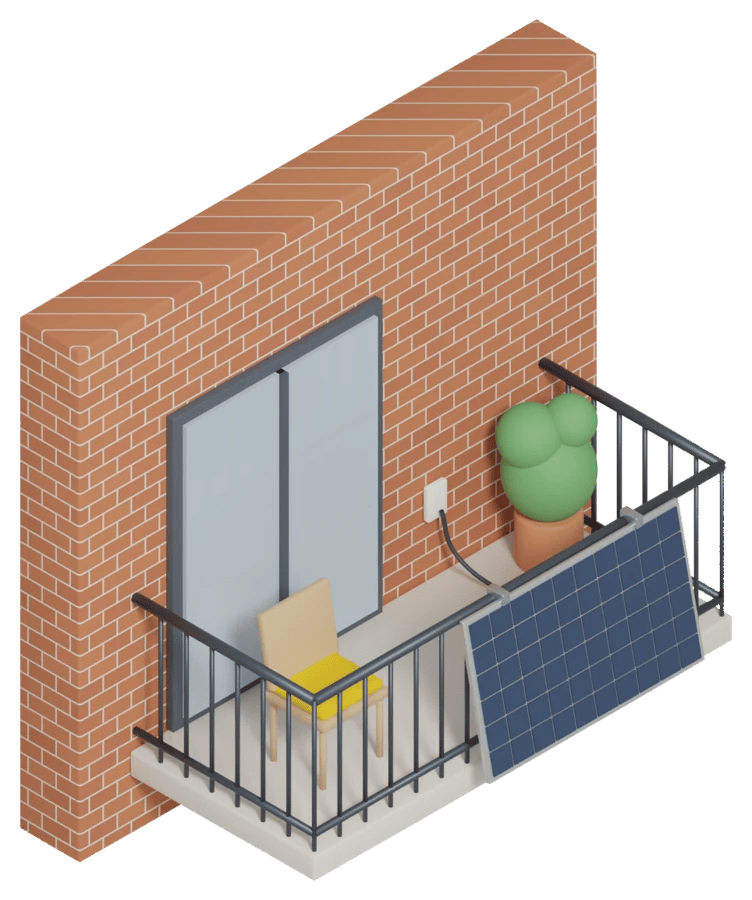
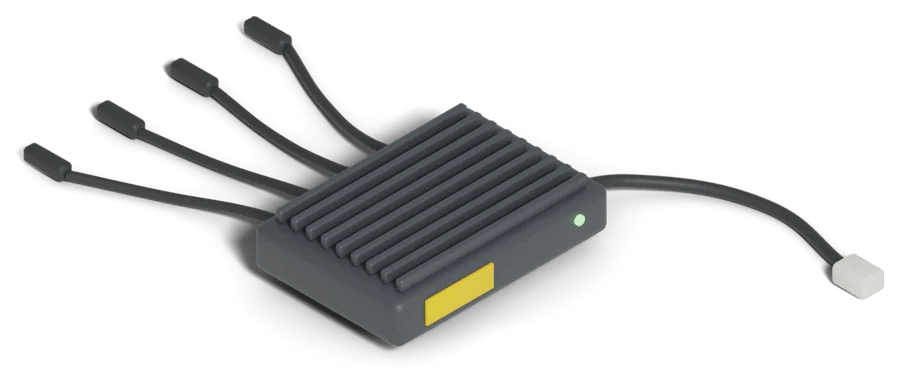
Plug-in solar (also called balcony solar or a “Balkonkraftwerk” in Germany) is a small solar panel system that connects to a standard electrical outlet instead of your home’s breaker panel. The panels sit on a balcony, patio, or window ledge. They generate DC electricity, a small device called a microinverter converts it to AC, and the power flows into your home through the outlet, quietly reducing how much electricity you pull from the grid. Your bill goes down. That’s it.
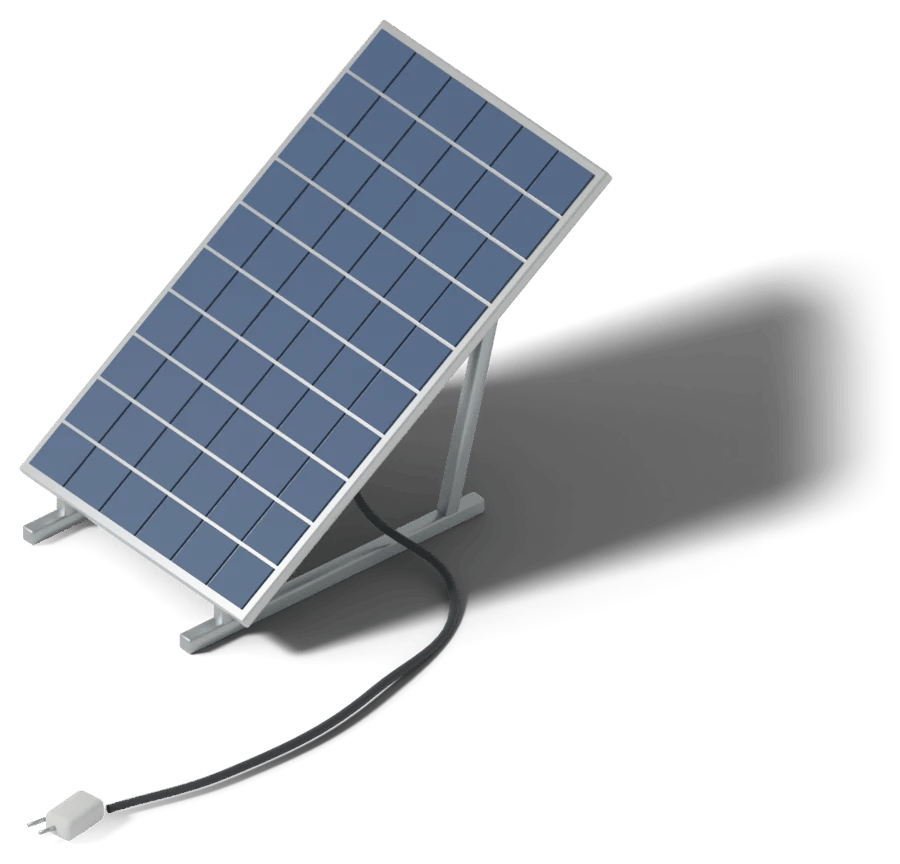
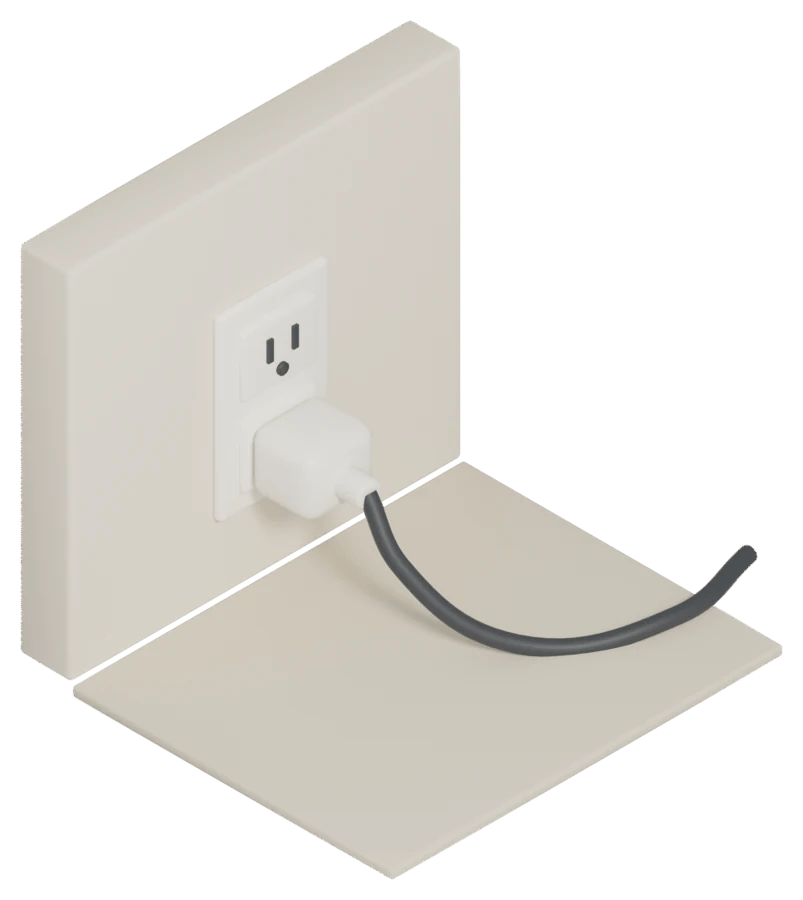
The key distinction from rooftop solar is the connection point. Rooftop systems are hardwired into your home’s electrical panel by a licensed electrician, require permits, and take days to install. Plug-in systems take 20 minutes and use the outlet already on your wall. That simplicity is why they’re especially useful for renters, apartment dwellers, and anyone who doesn’t want a multi-year payback project.
The full four-step explanation
Step 1: Sunlight hits the panel
Solar cells inside the panel absorb photons from sunlight. This excites electrons and generates a flow of direct current (DC) electricity. A 400W panel in full sun produces around 400 watt-hours per hour, roughly enough to run a refrigerator.
Step 2: The microinverter converts it
A small box attached to the panel converts DC to AC (alternating current), the type of electricity your appliances use. This happens automatically, constantly, without any input from you. Most kits include this; some have it built into the panel.
Step 3: It plugs into the wall
The cable runs from the microinverter to a standard outdoor or indoor outlet. The power flows into your home’s circuit and is immediately used by whatever appliances are running: lights, fridge, phone chargers. No battery required.
Step 4: Your meter slows down
Every watt your panel generates is a watt you don’t buy from the grid. Your electric meter registers less consumption. At the end of the month, your bill is lower, by roughly the amount of energy your panels produced.
How is this different from regular solar?
Both technologies convert sunlight to electricity. The difference is scale, cost, and how they connect to your home.
Rooftop solar
A 6–12kW system installed on your roof. Hardwired into your electrical panel by a licensed electrician. Costs $15,000–$30,000 installed (no federal tax credit currently available). Can cover 80–100% of a home’s electricity. Takes days to install and requires permits.
Plug-in solar
A 400–800W system on a balcony or window. Plugs into an outlet. Costs $400–$1,500. Covers 5–15% of a typical household’s electricity. Takes 20 minutes to set up. No permits, no installer, no permanent changes. You take it with you when you move.
They’re not competing products. Rooftop solar is a home investment. Plug-in solar is an appliance. Different budgets, different situations, different timelines. Many homeowners have both.
Is it safe?
The short answer is: certified kits are safe. The longer answer involves understanding what “certified” means.
UL 3700 is a US safety standard written specifically for plug-in solar systems. It launched in early 2026 and covers:
Automatic shutoff
If the grid loses power or there’s a fault, the inverter disconnects immediately. This protects utility workers during outages and prevents overloads.
Thermal protection
The standard requires testing under high-temperature conditions and fire suppression materials in critical components. No overheating.
Weather resistance
Panels and inverters must meet IP65 weatherproofing or higher. They’re designed to be left outside in rain, heat, and cold without issue.
Right now, look for UL 1741 certification, the established standard for grid-connected inverters, covering anti-islanding shutoff, overload protection, and automatic disconnect. All three kits on our recommended list meet it. UL 3700 is the newer standard built specifically for plug-in solar. As of September 2026, two microinverters (the APsystems EZ1 and the Hoymiles HiFlow Pro) have been certified to it by CSA Group, a federally recognized testing lab, but no complete plug-in kit has been certified as a whole system yet. Either way, uncertified panels from unknown brands are cheap for a reason.
Is it worth it?
It depends on four things: your electricity rate, your available sunlight, your upfront budget, and how long you plan to stay put. Here’s the honest math.
Plug-in solar is not a get-rich-quick energy scheme. The savings are real but modest. Where it shines is in situations where the alternatives (rooftop solar, moving somewhere cheaper) aren’t realistic. For renters who have no other solar option, it’s often the most sensible clean energy investment available.
Use our calculator to get a number for your specific state and setup before deciding.
Things people get wrong about plug-in solar
❌ “You need a battery to make it useful.”
Germany has over 1.3 million of these. Here’s what happened.
Plug-in solar isn’t an American experiment. Germany has been running a large-scale test of exactly this technology for five years under the name Balkonkraftwerk, “balcony power plant.” As of early 2026, there are over 1.3 million registered systems across the country, mostly on apartment balconies. The real total is likely higher; many go unregistered.
The German story answers questions Americans are just starting to ask: Does the technology work at scale? What happens when regulators take it seriously? Can renters actually use this? The answer to all three, it turns out, is yes.
Germany formalizes the first regulatory framework for plug-in solar, permitting standard outlet connection. The technology is legal, but awareness is low and the market tiny.
Germany waives VAT on all residential solar. Combined with skyrocketing energy costs following the energy crisis, installations surge. Over 300,000 new systems go up in 2023 alone, half the country’s total installed base at the time.
A landmark German court ruling establishes that landlords cannot arbitrarily prevent tenants from installing balcony solar panels. The door opens for apartment renters nationwide.
Germany raises the maximum output from 600W to 800W and simplifies the registration process significantly. In the first half of 2024, residents install 200MW of balcony solar, the fastest uptake the technology has seen anywhere in the world.
Germany reaches over 1.3 million Balkonkraftwerk installations. The technology has been validated at scale. The savings are real. The question now is how quickly other countries follow.
About Solarly’s scope: This site covers the United States: state laws, electricity rates, peak sun hours, utility rules, and product availability are all US-specific. Germany is further along, but the technology and the economics translate directly. The math in our calculator uses US rates and US sun data.

