The Current · June 14, 2026
When Robinson Meyer’s opinion piece landed in the Sunday Times this morning, we read it twice.
The piece, headlined “The Tiny Solar Panel That Could Change America”, argues something we’ve been tracking for over a year: that plug-in solar panels represent one of the most accessible, equitable, and underutilized energy technologies in America. And Meyer makes this case in the Sunday opinion section of the most-read newspaper in the country. We’re not complaining.
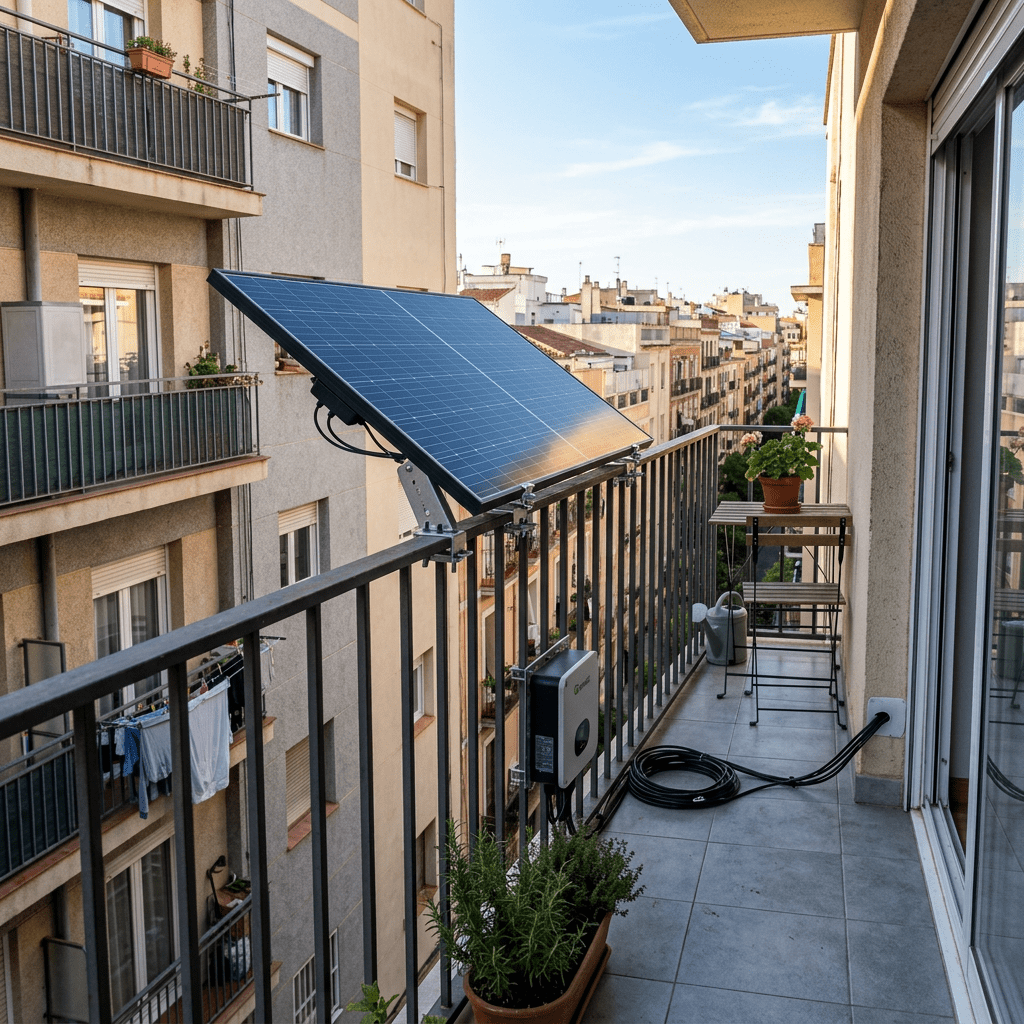
Imagine a solar panel small enough to hang off a balcony railing: no permits, no contractors, no utility approval. You plug it into a standard wall outlet and it starts quietly reducing your electricity bill. In Europe, tens of millions of households already live this way. In America, almost no one does.
The barriers, the piece argues, are not technical. They are regulatory. And they are finally starting to crumble.
Five states have enacted laws explicitly protecting the right to own plug-in solar without utility interference. New York’s SUNNY Act awaits Governor Hochul’s signature. The panels run $300–$600, with payback periods of two to four years.
Unlike rooftop solar, they need no contractor and no permanent installation. Renters can bring them apartment to apartment.
Meyer’s central argument is disarmingly simple: tens of millions of European households already benefit from small balcony solar panels that plug directly into a standard outlet. In Germany alone, more than 1.5 million so-called Balkonkraftwerke (balcony power stations) are now registered. The technology is legal, safe, and affordable. America just hasn’t caught up.
What makes the piece land is how it centers renters: the Americans most excluded from the solar transition. Traditional rooftop solar requires you to own a roof. Plug-in solar requires you to own an extension cord. That distinction matters when 36% of Americans rent their homes and most can’t make structural modifications to their living spaces, let alone negotiate a solar lease with a landlord.
Five states have now passed laws protecting plug-in solar rights: Utah, Colorado, Maryland, Virginia, and Maine. New York’s SUNNY Act has cleared both chambers and is on Hochul’s desk. The momentum is measurable. You can track where your state stands on our interactive State Law Tracker →
When the Times editorial section runs a piece like this, legislators notice. We’ll be watching for Hochul’s signature, and for the legislators in the remaining 44 states who still haven’t acted.




Leave a comment