New York’s SUNNY Act passed both chambers of the state legislature on May 28, unanimously in the Senate, with broad support in the Assembly. It now sits on Governor Kathy Hochul’s desk. If she signs it, New York becomes the most populous state in the country to legalize plug-in solar. That matters. But it’s worth understanding exactly what the bill does, what it doesn’t do, and what it means for renters in particular.
What the SUNNY Act actually does
The Solar Up Now New York Act (S8512C) does one main thing: it removes utility red tape from small plug-in solar systems. Right now, if you plug a solar panel into an outlet in New York, your utility (Con Edison, NYSEG, whoever) technically requires you to go through the same interconnection approval process they use for full rooftop solar systems. That process can take weeks and involve fees. Almost nobody does it.
Under the SUNNY Act, plug-in systems up to 1,200 watts of AC output are exempt from that approval requirement. You’d still need to notify your utility via an online form, but notification, not permission. That’s a meaningful difference.
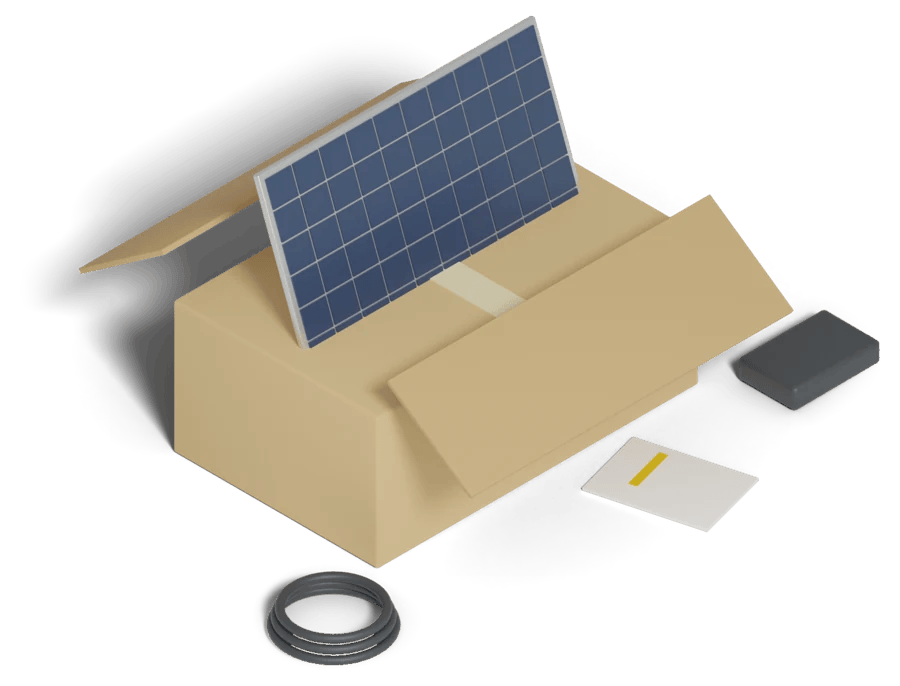
1,200 watts is roughly two 600W panels, or a standard dual-panel plug-in kit. It’s enough to power a refrigerator, laptop, lights, and phone chargers during sunny hours. Not your whole apartment, but a real, measurable dent in your electricity bill.
The honest part: what it doesn’t do
Here’s something most coverage of this bill has glossed over: the SUNNY Act doesn’t protect renters from landlord or HOA bans.
If your landlord has a lease clause that prohibits modifications, or if your building has rules against exterior equipment, the SUNNY Act doesn’t override those. The bill removes utility red tape; it doesn’t touch private rental agreements or homeowners’ association rules. Some states that passed plug-in solar legislation, like Utah, went further and included explicit renter protections. New York’s bill does not.
For the majority of New Yorkers who rent (in New York City, about 75% of households are in multi-unit buildings), this is the relevant question to ask your landlord before ordering a kit.
Where it stands: Hochul hasn’t signed yet
Governor Hochul has until the end of 2026 to sign or veto the SUNNY Act. Her office told Canary Media only that they “will review the legislation”, no signal on which way she leans.
The politics are interesting. Hochul has positioned herself on an affordability-first agenda, rolling back or delaying several climate initiatives. But plug-in solar is unusual: it’s an affordability tool that also happens to be clean energy. Con Edison, New York’s largest utility, publicly supported the bill, a notable break from the utility opposition that has slowed similar legislation in other states. Assemblymember Emily Gallagher, the bill’s sponsor, has called it “the most popular bill I’ve worked on.”
Advocates note that signing would give Hochul a clean legislative win before November’s midterms, without costing the state a dollar. The odds of a signature look reasonable, but it’s not done yet.
The numbers for New York renters
New York City electricity rates run roughly $0.22–$0.25 per kWh depending on borough and utility. A single 400W panel generates about 54 kWh per month in New York’s sun conditions; that’s around $12–$14 off your monthly bill. An 800W dual-panel setup doubles that.
Clean energy advocates estimate an 800W setup could save the average NYC household close to $300 per year. A quality 800W kit runs around $1,000–$1,100. At those numbers, the payback period is roughly 3–4 years, and the panels keep producing for 25 more after that.
Use our free savings calculator to run your specific numbers based on your electricity rate and how much sun your balcony or window gets.
What New York renters can do right now
Plug-in solar isn’t illegal in New York today; it’s in a regulatory gray area. The bill hasn’t been signed, so the old utility-notification requirement technically still applies. But there’s no meaningful enforcement mechanism for small residential systems, and the bill’s passage signals clearly where things are heading.
If you’re a New York renter interested in plug-in solar, here’s what to do now:
- Check your lease for any clauses about exterior equipment or modifications. This is the real-world constraint, not the utility rules.
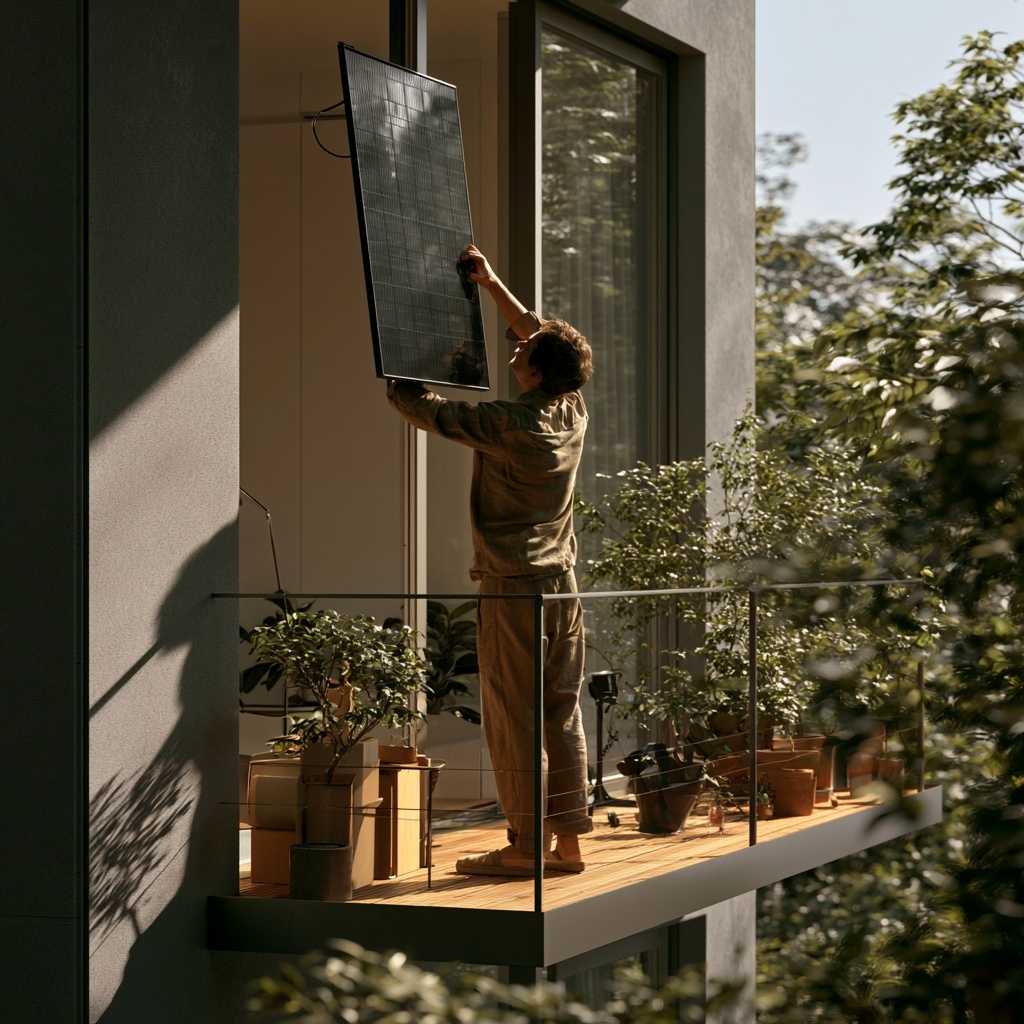
- Ask your landlord. Many have no objection to a balcony panel; they just haven’t been asked. A small panel on a railing is a very different ask than a rooftop installation.
- Check your sun exposure. A south or west-facing balcony in New York gets solid summer production. East-facing works too, just at lower output.
- Look for UL 1741-certified kits when you’re ready to buy; that’s the current US safety standard for grid-connected inverters. See our recommended kits; both picks are UL 1741-certified.
We’ll update this post when Hochul signs or vetoes. Check our state-by-state tracker for current legal status on New York and every other state.



Leave a comment