← The Current · October 9, 2026 · State laws · 6 min read
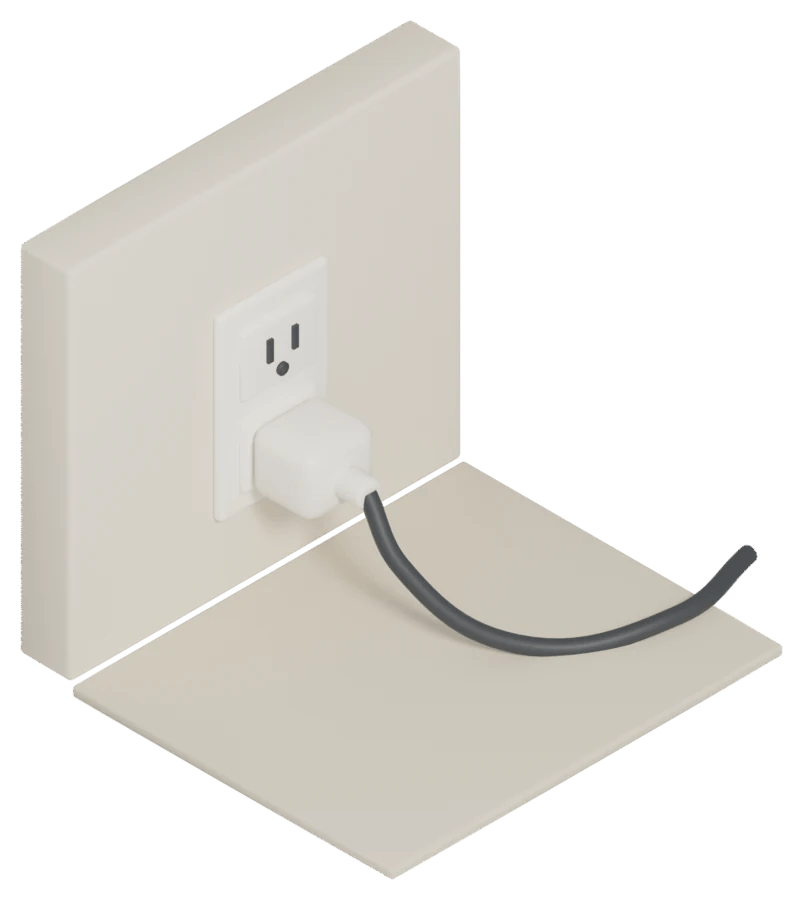
On September 30, the last day he could act, Governor Newsom signed SB 868, the Plug and Play Solar Act. California is now the tenth state with a plug-in solar law, and by far the biggest. Starting January 1, 2027, a household there can plug a small solar system into a regular outlet without asking the utility first. There is also a detail that most of the coverage skipped, and it matters if you are deciding when to buy: the law’s most important protections are written to expire three years after they begin.
The short version. Signed September 30, 2026. Starts January 1, 2027. Up to 1,200 watts per home, on certified equipment only. No interconnection agreement, no utility fee and no utility permission, although the utility may ask you to fill in a simple online registration form. Those utility protections last until January 1, 2030, unless lawmakers extend them.
What Newsom signed
SB 868 was filed the same day as Chapter 985 of the Statutes of 2026, and it takes effect on January 1, 2027. From that date, the devices in one home can add up to 1,200 watts of AC output and plug into the building’s wiring through an ordinary receptacle. They are meant to offset the electricity you use at home, not to sell power back to the grid.
The law takes the utility out of the way in three specific ways. These devices are exempt from interconnection requirements. The utility cannot charge a fee for the device or for the electricity it feeds into your home. And the utility cannot require its permission before you plug in. The most it can ask for is a notice through what the bill’s analysis calls “a simple online registration form,” covering your address and the device’s make, model and size.
In exchange, the equipment has to be certified by UL or an equivalent testing laboratory, and it has to shut itself off automatically when the grid goes down, so it does not push power into a line that a utility crew believes is dead.
The part most headlines skipped: it has an expiry date
Read the bill’s own summary and one phrase keeps repeating: “until January 1, 2030.” The interconnection exemption, the ban on fees and the ban on requiring permission all carry that date. If the Legislature does not extend them, they lapse.
According to pv magazine USA, the sunset was added in the Assembly Appropriations Committee in August, shortly before the floor vote. Kevin Chou, co-founder of the nonprofit Bright Saver, was blunt about where it came from: “the utilities got a 2030 sunset into the bill.”
Here is what we do not know yet. None of the published accounts we have read explains what happens to a panel that is already plugged in when that date arrives, and we will not guess. The bill’s analysis does describe one more change for 2030: from that year, selling a plug-in solar device that does not meet the law’s definition would be prohibited.
Three years is a long time in this market, though. Germany passed one million registered balcony systems last year, and it is very hard to take something away from that many households. Chou’s plan for the sunset is exactly that: “The way we beat it is to put plug-in solar on so many California balconies by then.” We think he is probably right, and we will be watching the first extension bill closely!
What you can do today, and what you cannot
Nothing changes until January 1. Until then, SB 868 does not cover a panel plugged into a California outlet, so the rules you live under today are the same ones you lived under last month.
Certified hardware is the real bottleneck. The law only protects certified equipment. UL 3700 is the safety standard written for plug-in solar, and as of this week we can confirm two microinverters with a third-party certification to it and no complete, boxed kit. Solar.com reports that Senator Wiener’s office expects compliant products by spring 2027. So the honest timeline for most Californians is next spring, not New Year’s Day. When you do shop, check the actual listing on the product, and treat “compliant” and “certified” as two different words. Our recommended kits page tracks which is which.
If you rent, read your lease. SB 868 is about utilities. It says nothing about landlords or homeowner associations, so your lease and your building’s rules still apply. That is different from New Jersey, Vermont, Colorado and Virginia, where the law also limits what a landlord can do. Our California guide covers the state in full.
You can run the numbers now. Whether a panel pays for itself depends on your rate, your sun and where you can put it. The Solar Advisor works that out for your address in about a minute, for renters and owners.
Connecticut’s law is now in effect
While everyone watched Sacramento, Connecticut quietly crossed the line. Its law took effect on October 1. A household there can now plug in one certified device of up to 1,200 watts per meter with no utility approval, no interconnection agreement and no added fee. Like California’s law, it is silent on landlords.
New York is still waiting
The SUNNY Act passed both chambers on May 28. In New York a bill does not reach the governor automatically. The Legislature has to deliver it, and Governor Hochul’s clock only starts once it does. As of October 9, the Senate’s bill page still shows no delivery. Our New York guide has the details.
Ten laws, and the day each one starts
A signature and a start date are not the same thing, and the gap is where most of the confusion lives. Here is the whole map in order.
- May 7, 2025: Utah. In effect.
- July 1, 2026: Maryland and Vermont. In effect.
- July 2026: Maine. In effect.
- August 12, 2026: Colorado. In effect, with its protections for renters and HOA members beginning January 1, 2027.
- October 1, 2026: Connecticut. In effect.
- January 1, 2027: California, Virginia and New Hampshire.
- March 1, 2027: New Jersey.
Four of the ten are still ahead of us, and three of those arrive on the same morning. Every state on this list removes the utility from the process. Only four also limit what a landlord can do, so check your state’s entry before you assume.
What we’re watching next
- November 16 to 19: RE+ 2026 in Las Vegas, the most likely stage for the first complete kit with a UL 3700 certification.
- January 1, 2027: California, Virginia and New Hampshire switch on.
- Spring 2027: the first products built to California’s requirements, if Senator Wiener’s office has it right.
- Any day: delivery of New York’s SUNNY Act to Governor Hochul.
- Before 2030: a bill to extend California’s protections past their expiry date.
We will update the tracker when any of this moves. Have a tip? Write us at hello@solarly.io.
Sources. SB 868 status and bill analysis, CalMatters Digital Democracy; pv magazine USA; Solar.com; mgrid; New York State Senate, S8512. Checked October 9, 2026.
By Ben van der Veen. Solarly is independent and reader-supported. This is our reading of the law as a guide for households, not legal advice.



Leave a Reply